
SALT Framework for Risk Communication
While the SALT framework is intended for EPA staff, the guiding principles can be applied to any organization’s risk communication efforts.
While the SALT framework is intended for EPA staff, the guiding principles can be applied to any organization’s risk communication efforts.
This presentation will describe the development of Appendix A of EPA’s 2024 Interim Guidance on the Destruction and Disposal of PFAS and Materials Containing PFAS.
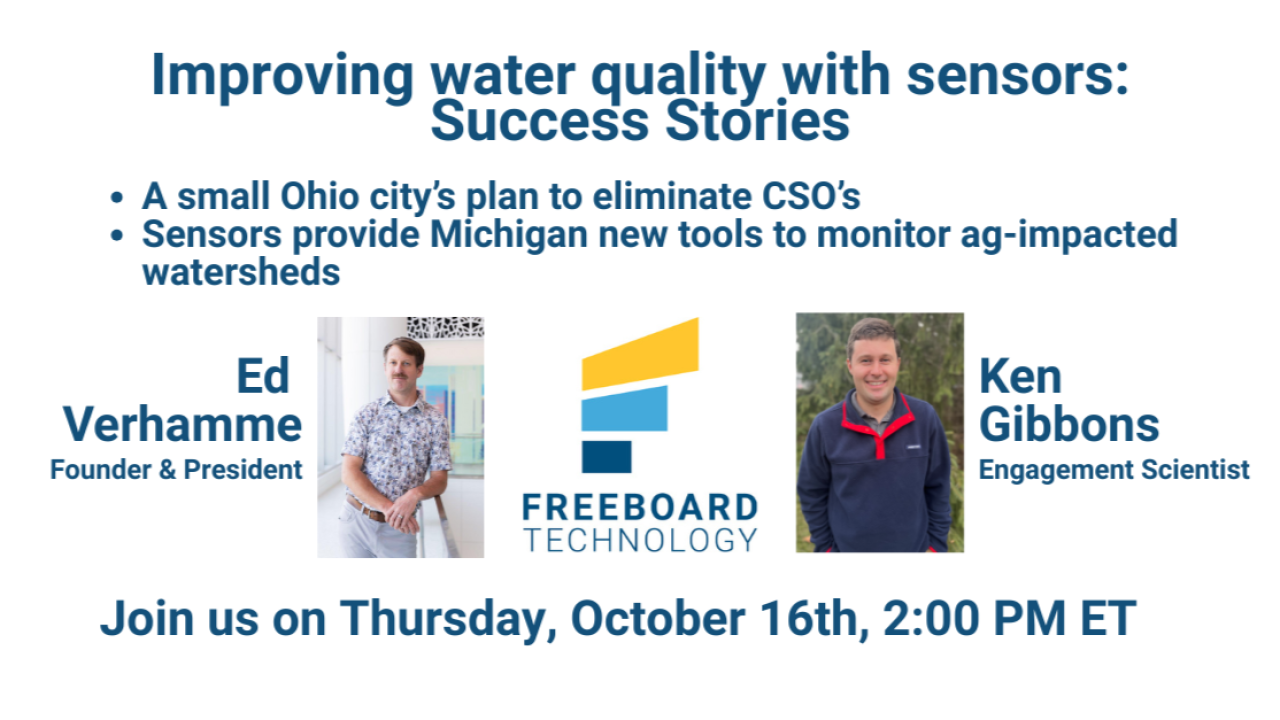
From sewers to Great Lakes: scaling sensor systems in your community. Learn about saving money and making smarter decisions with sensors from a review of two case studies from Michigan and Ohio.
Join us for Piloting a Digital Service for the Planet, a dialogue kicking off a new collaboration between New America’s Technology and Democracy programs and New Practice Lab, and the Environmental Policy Innovation Center (EPIC)
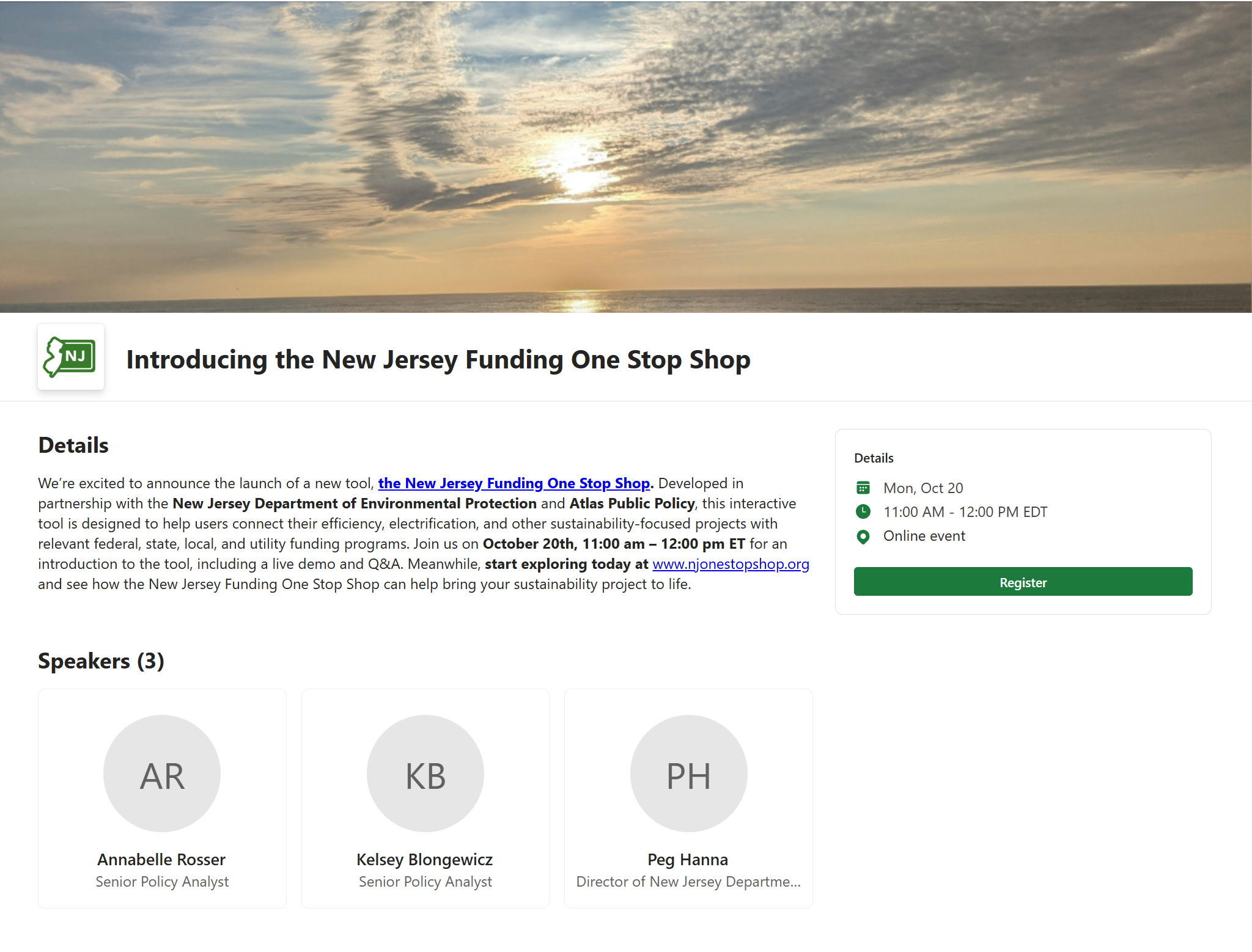
Developed in partnership with the New Jersey Department of Environmental Protection and Atlas Public Policy, this interactive tool is designed to help users connect their efficiency, electrification, and other sustainability-focused projects with relevant federal, state, local, and utility funding programs.
Join the Environmental Polling Consortium and our partners for a deep dive webinar into the current state of public opinion and messaging research on public health and climate.
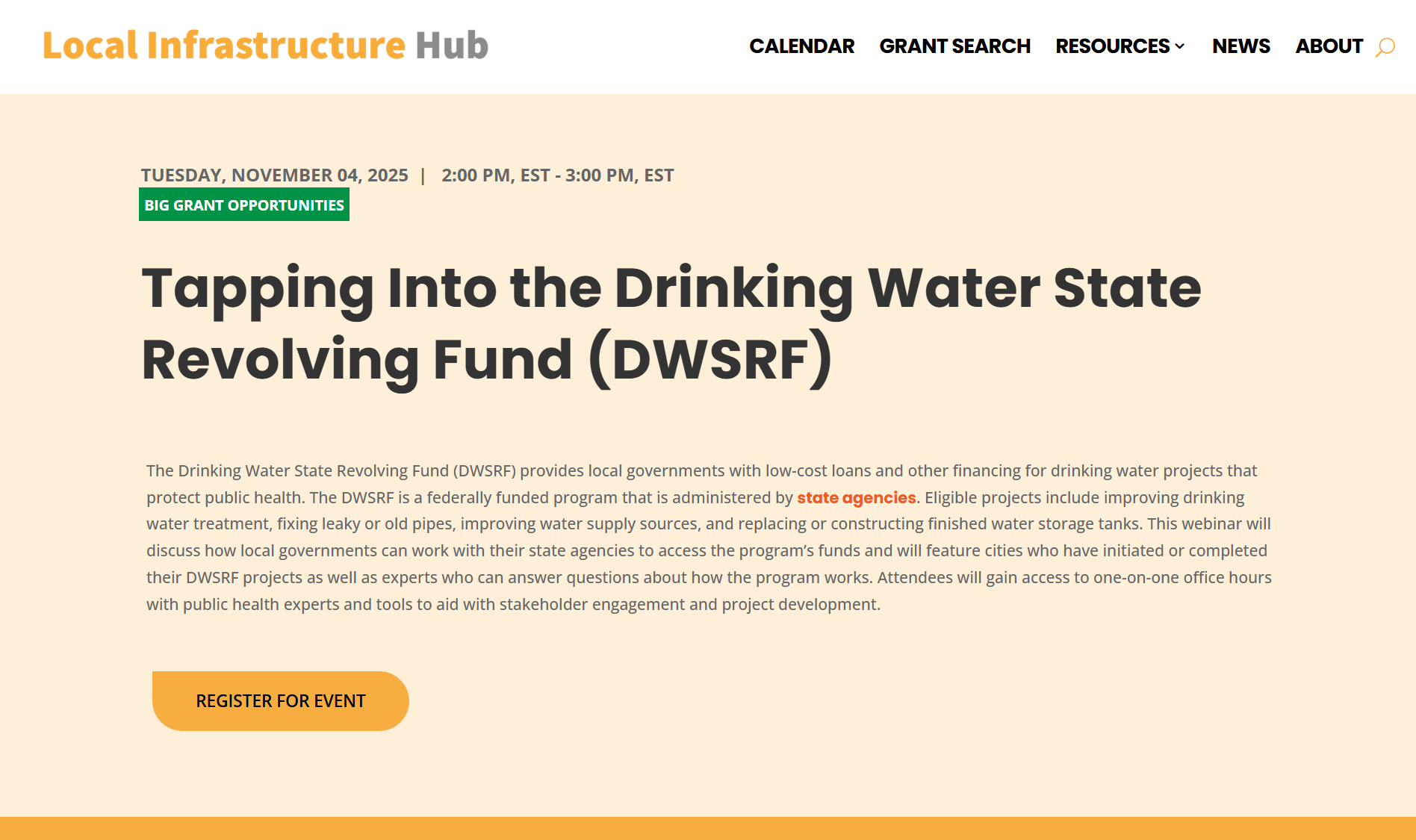
This webinar will discuss how local governments can work with their state agencies to access the program’s funds and will feature cities who have initiated or completed their DWSRF projects as well as experts who can answer questions about how the program works.

You’re invited to join us for an upcoming seminar on Best Practices for Federal Grant Applications, designed to help local governments strengthen their capacity to access and manage federal funding opportunities.
This session will explore how local communities are addressing water-related challenges—like floods, droughts and access to clean water—through innovative, community-driven solutions.

This three-day event brings together the Nation’s top clean water attorneys, utility leaders, and professionals to tackle the major legal challenges facing clean water utilities today.
This webinar will provide a summary of projects completed to date under the MOA and then provide a deeper dive into the most recent project focusing on state disaster resiliency planning.
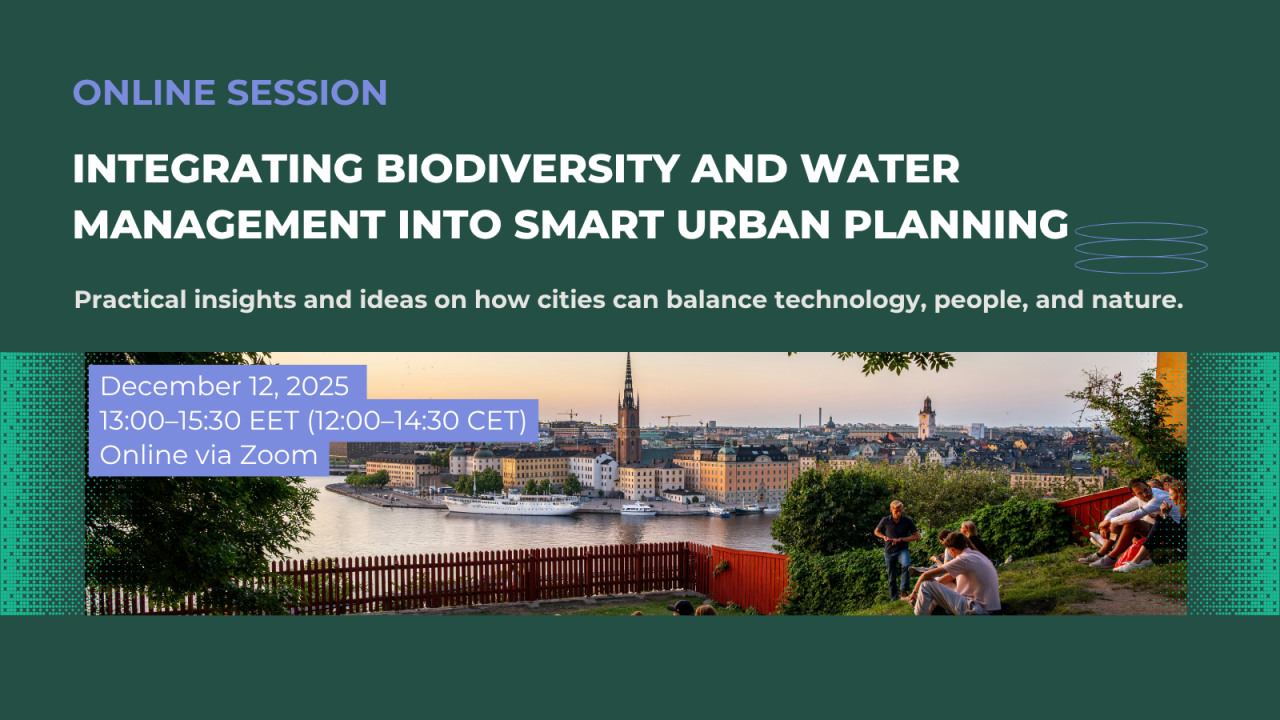
This online session provides the latest practical and academic knowledge on integrating biodiversity and the natural environment into urban planning, from creating greener streets to ensuring safe swimming waters.
Tracking federal investments in our water system
© Copyright 2026 Built by Atlas Public Policy in Washington, DC
The Water Program Portal has been developed with support from the Water Foundation’s Water Solutions Fund