
Disaster Politics and Policy in Transition
Join POLITICO’s E&E News reporters on Tuesday, August 26, at 1:00pm ET, for a review of the administration's actions, the backlash in Congress and how disaster politics have changed in the past two decades.
Join POLITICO’s E&E News reporters on Tuesday, August 26, at 1:00pm ET, for a review of the administration's actions, the backlash in Congress and how disaster politics have changed in the past two decades.
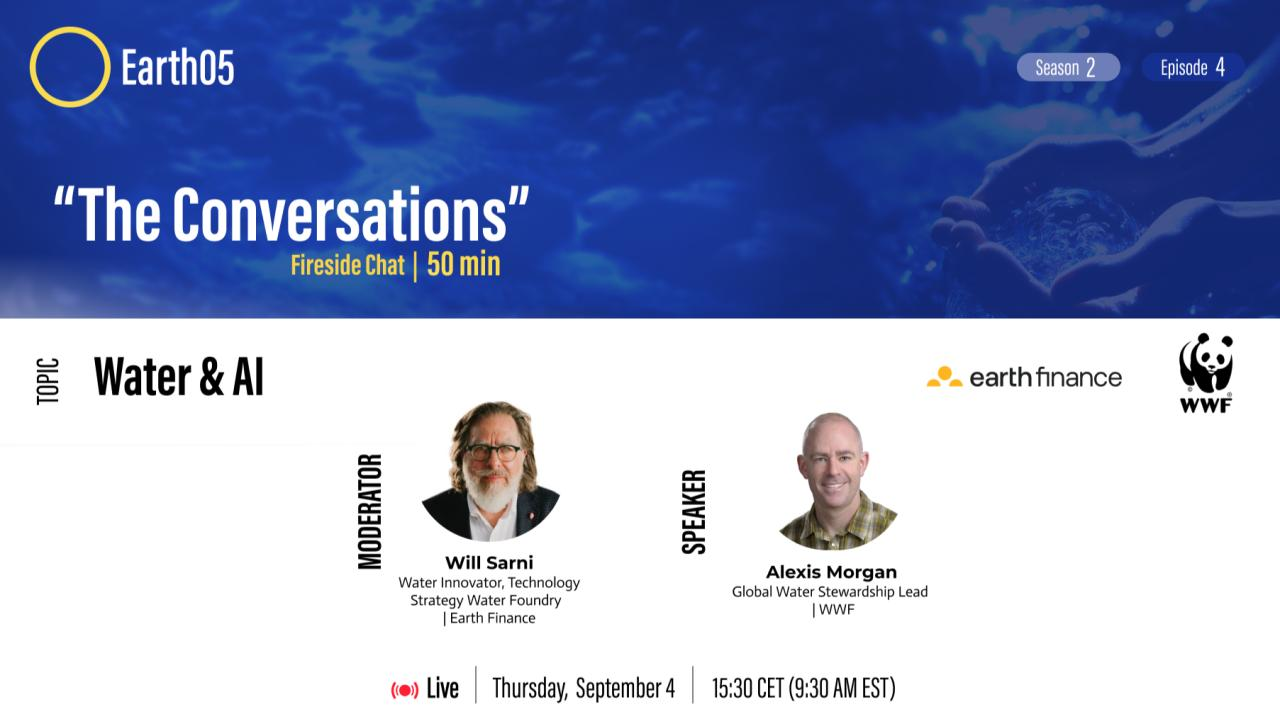
How can AI reshape the future of global water stewardship? That’s the focus of the next episode of The Conversations, hosted by Earth05.
This training will focus on what communities can do when a crucial project does not receive funding. Participants will explore opportunities to develop financially sustainable infrastructure amidst funding shortfalls.
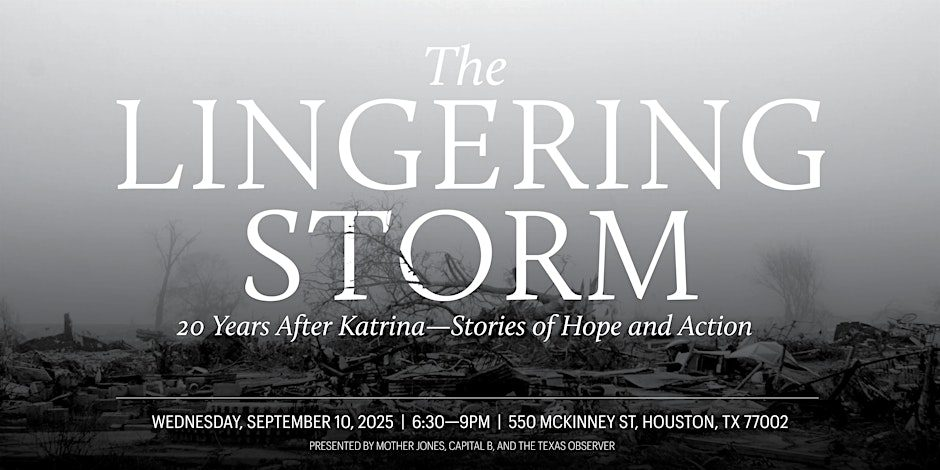
20 Years After Katrina—Stories of Hope and Action. Presented by Mother Jones, Capital B, and the Texas Observer.

This presentation will highlight successful implementation of AI in current disaster management scenarios, providing tangible examples of technology-driven improvements in environmental cleanup outcomes.
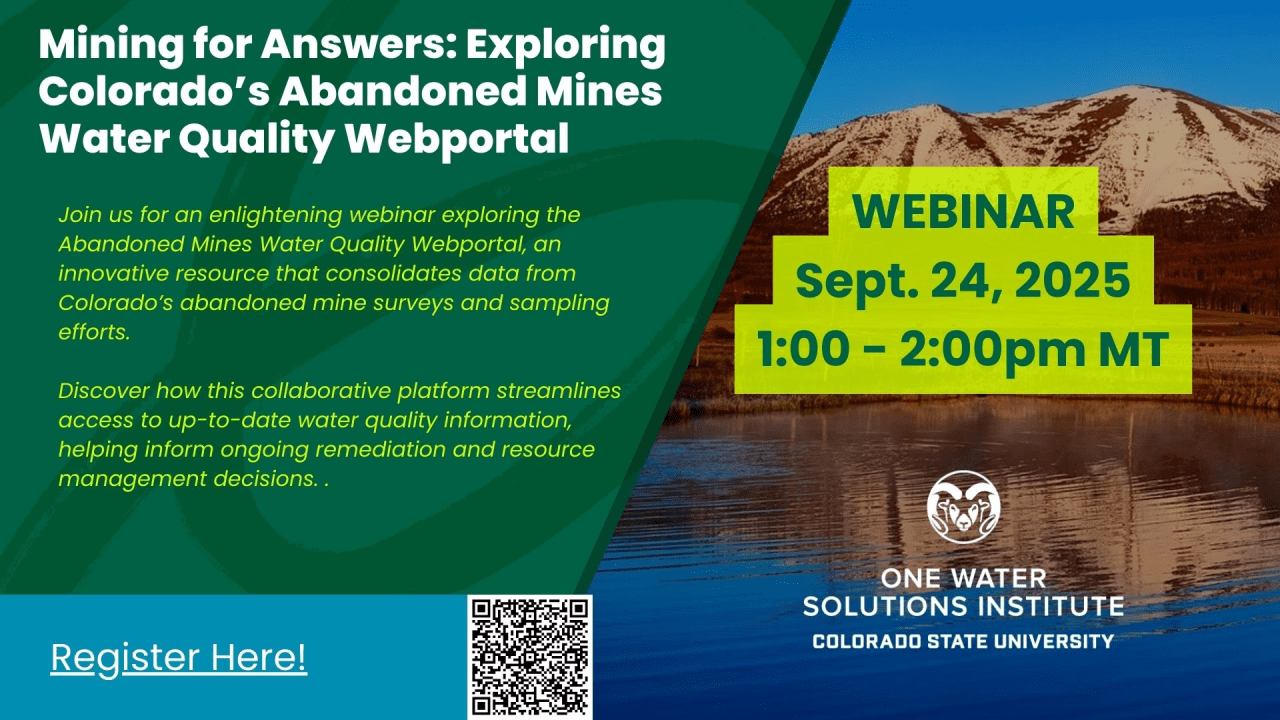
Join us for an enlightening webinar exploring the Abandoned Mines Water Quality Webportal, an innovative resource that consolidates data from Colorado’s abandoned mine surveys and sampling efforts.
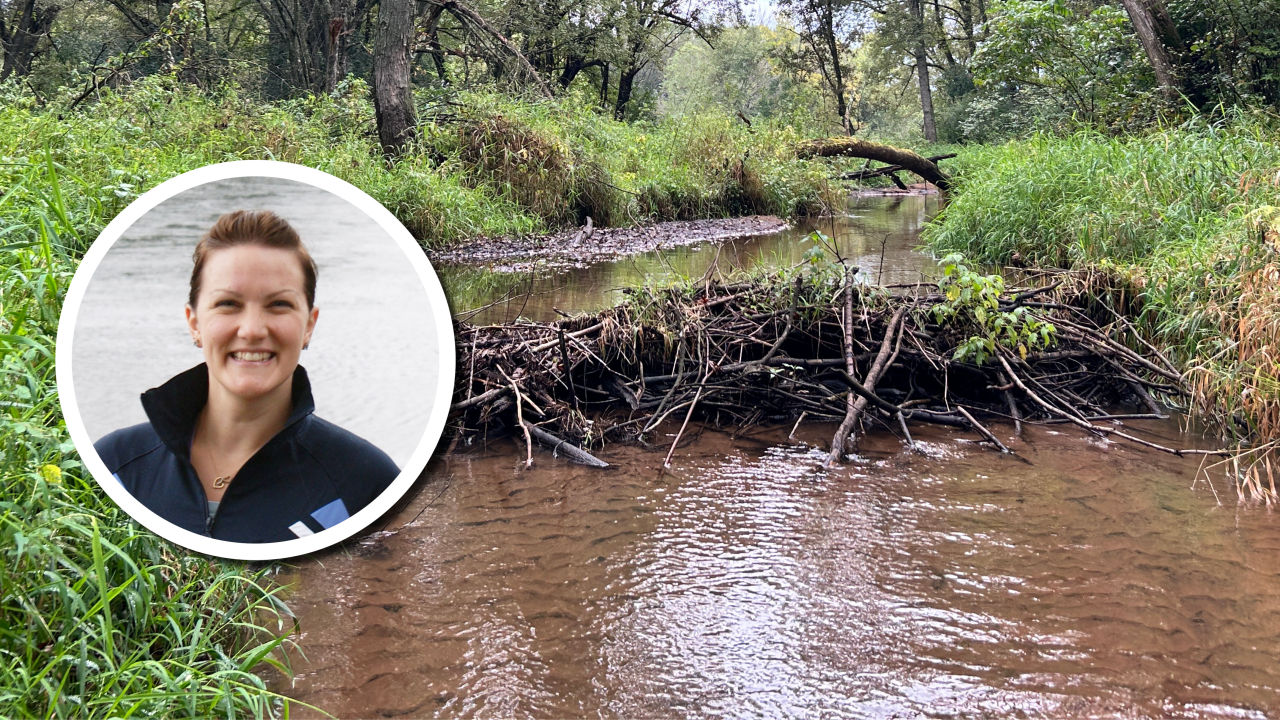
Do beaver dams actually increase water temperatures? How do beaver ponds impact water quality, pollutants, and sediments? Conservation Biologist Cortney Dean takes a look at the data, challenges, and unexpected findings of beaver-water research in northwestern Wisconsin.
While the SALT framework is intended for EPA staff, the guiding principles can be applied to any organization’s risk communication efforts.
This presentation will describe the development of Appendix A of EPA’s 2024 Interim Guidance on the Destruction and Disposal of PFAS and Materials Containing PFAS.
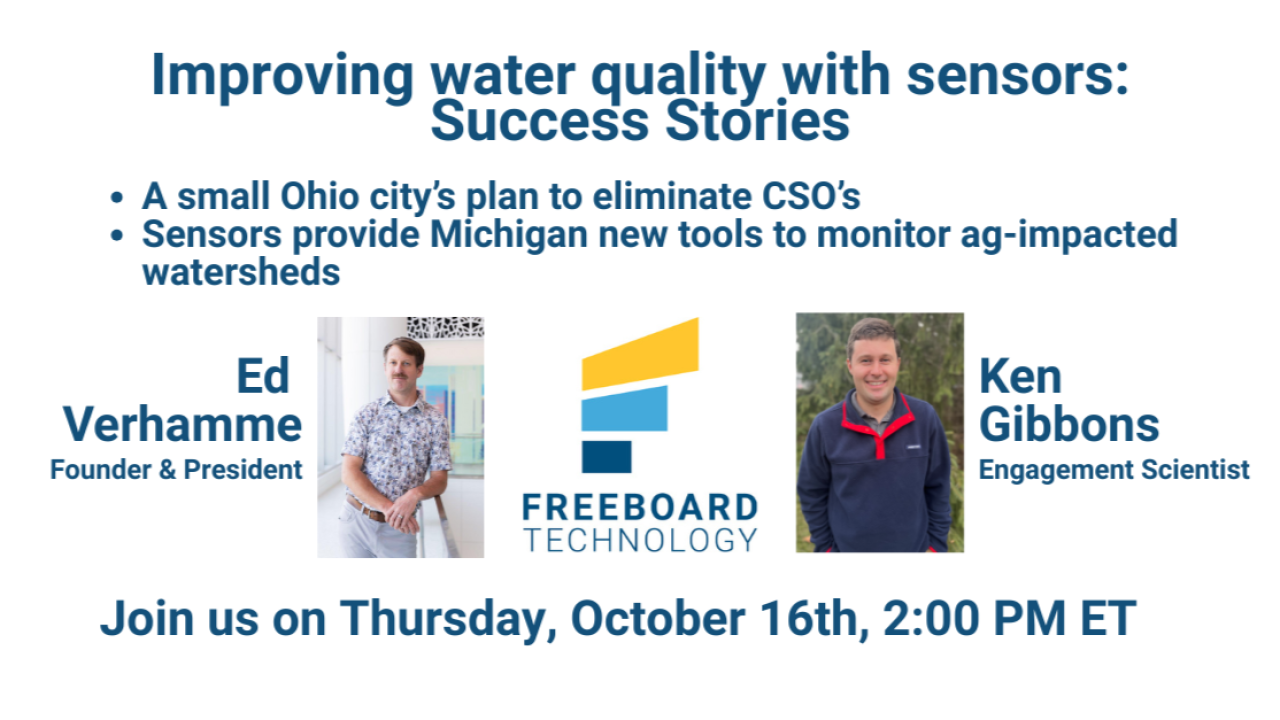
From sewers to Great Lakes: scaling sensor systems in your community. Learn about saving money and making smarter decisions with sensors from a review of two case studies from Michigan and Ohio.
Developed in partnership with the New Jersey Department of Environmental Protection and Atlas Public Policy, this interactive tool is designed to help users connect their efficiency, electrification, and other sustainability-focused projects with relevant federal, state, local, and utility funding programs.
Join the Environmental Polling Consortium and our partners for a deep dive webinar into the current state of public opinion and messaging research on public health and climate.
Tracking federal investments in our water system
© Copyright 2023 Built by Atlas Public Policy in Washington, DC
The Water Program Portal has been developed with support from the Water Foundation’s Water Solutions Fund