
Contaminant Fate in Wastewater Systems/Treatment Plants and Aerosolization
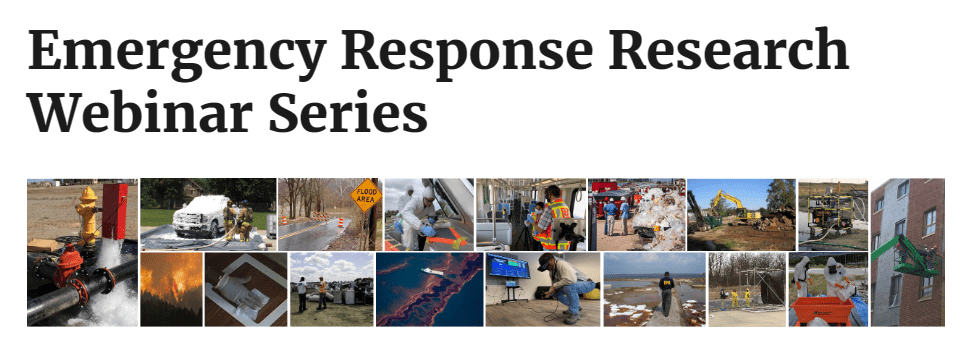
VirtualEPA's Office of Research and Development hosts this webinar series to share current research activities and results.
EPA's Office of Research and Development hosts this webinar series to share current research activities and results.

The Handbook on Indicators of Community Vulnerability to Extreme Events: Considering Sites and Waste Management Facilities provides the conceptual framework and indicators approach. Join the webinar to learn more about the handbook and how to use the approach.

This webinar will provide an overview of ongoing EPA ORD research related to alternative water sources including decentralized water reuse, protein processing plants, treated produced water from oil and gas activities, and enhanced/managed aquifer recharge, as well as collaborations with our partners.
The Basics of Water Utility Regulation is designed to de-mystify the economic regulation of water (and wastewater) utilities and better prepare those involved in regulation to address current and emerging water economic regulatory issues.
This training will focus on what communities can do when a crucial project does not receive funding. Participants will explore opportunities to develop financially sustainable infrastructure amidst funding shortfalls.
Join us for a one-hour essential overview of headworks—the critical first line of defense in wastewater treatment facilities.
This webinar will focus on federal standards for acquiring goods and services with public funds. This session will also cover the competitive bid process, OMB procurement requirements and contracting public works projects.
Join us for a comprehensive overview of primary treatment, the essential solids separation stage in wastewater treatment.
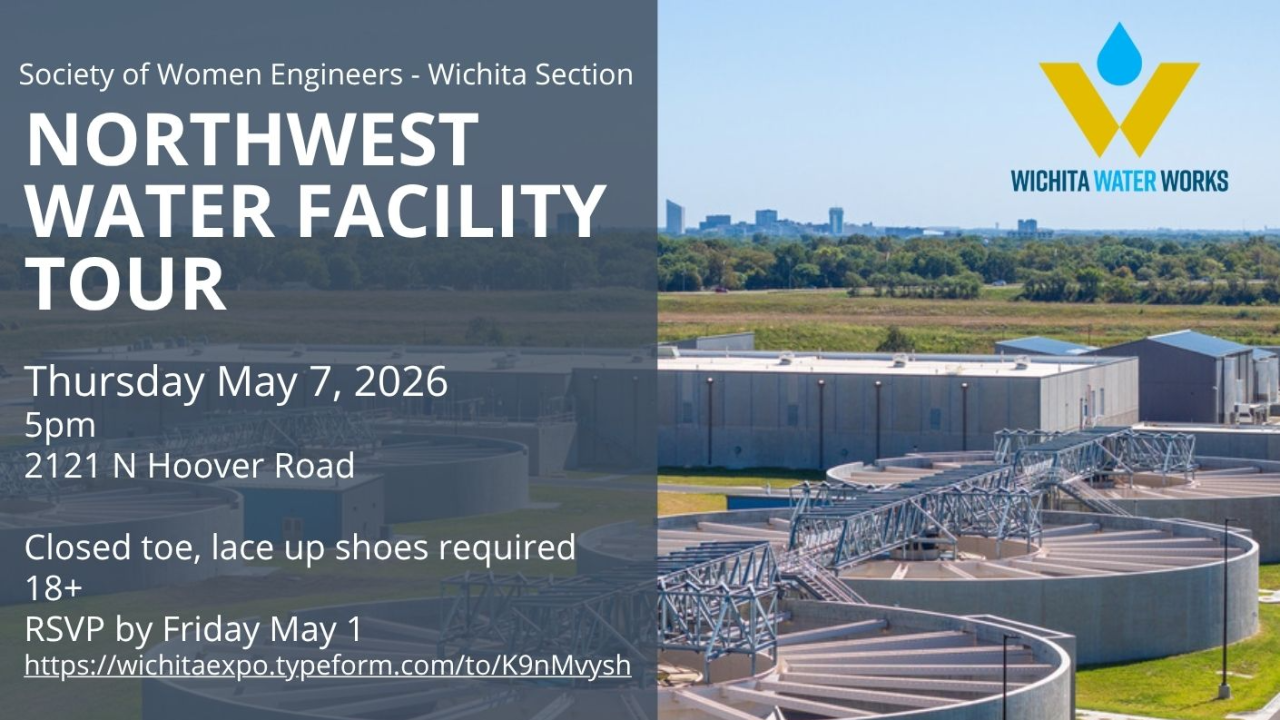
Join on Thursday May 7 at 5pm for a tour of Wichita’s Northwest Water Facility located at 2120 N Hoover (across from the Zoo).
Comprehensive stormwater management planning can play a pivotal role in enabling communities to address stormwater management challenges and goals strategically, leveraging staff time and budgets to achieve the biggest impact in protecting the health and safety of residents, properties, and public assets.
Whether you're new to wastewater operations, managing day-to-day operations, or overseeing infrastructure investments, you'll gain practical insights into this crucial treatment stage.
This webinar will explore practical opportunities to reduce costs through energy efficiency improvements, operational optimization, and renewable energy solutions such as solar power.
Tracking federal investments in our water system
© Copyright 2026 Built by Atlas Public Policy in Washington, DC
The Water Program Portal has been developed with support from the Water Foundation’s Water Solutions Fund