In late June, the House Transportation and Infrastructure Committee presented a bipartisan authorization package that addresses flood risk, maintenance of waterways, and other key water infrastructure challenges that the U.S. Army Corps of Engineers (USACE) tackles. The bill, known as the Water Resources Development Act (WRDA) of 2026, is the latest iteration of the package; a new version is enacted biannually.
The WRDA is an authorization bill. The 2026 version approves 131 feasibility studies and 10 construction projects for USACE. As the WRDA is not an appropriations bill, it is not likely that all 141 items will end up in the final version—in 2024, the House’s WRDA authorized 124 feasibility studies and 12 construction projects, while the final, enacted bill authorized 81 studies and eight construction projects.
This iteration of the WRDA includes a particular emphasis on creating new specialized institutional capacity at USACE by establishing several new offices within the agency. First, the bill proposes an Office of Water Supply, Water Conservation, and Drought Resiliency, charging it with promoting the activities in its title through water resource development projects. Also, the office will provide guidance to states and other sub-federal governments to tap USACE’s programs and available funding for water resource development. Through this office, new attention is brought to drought management and the stability of domestic water supplies within USACE’s purview.
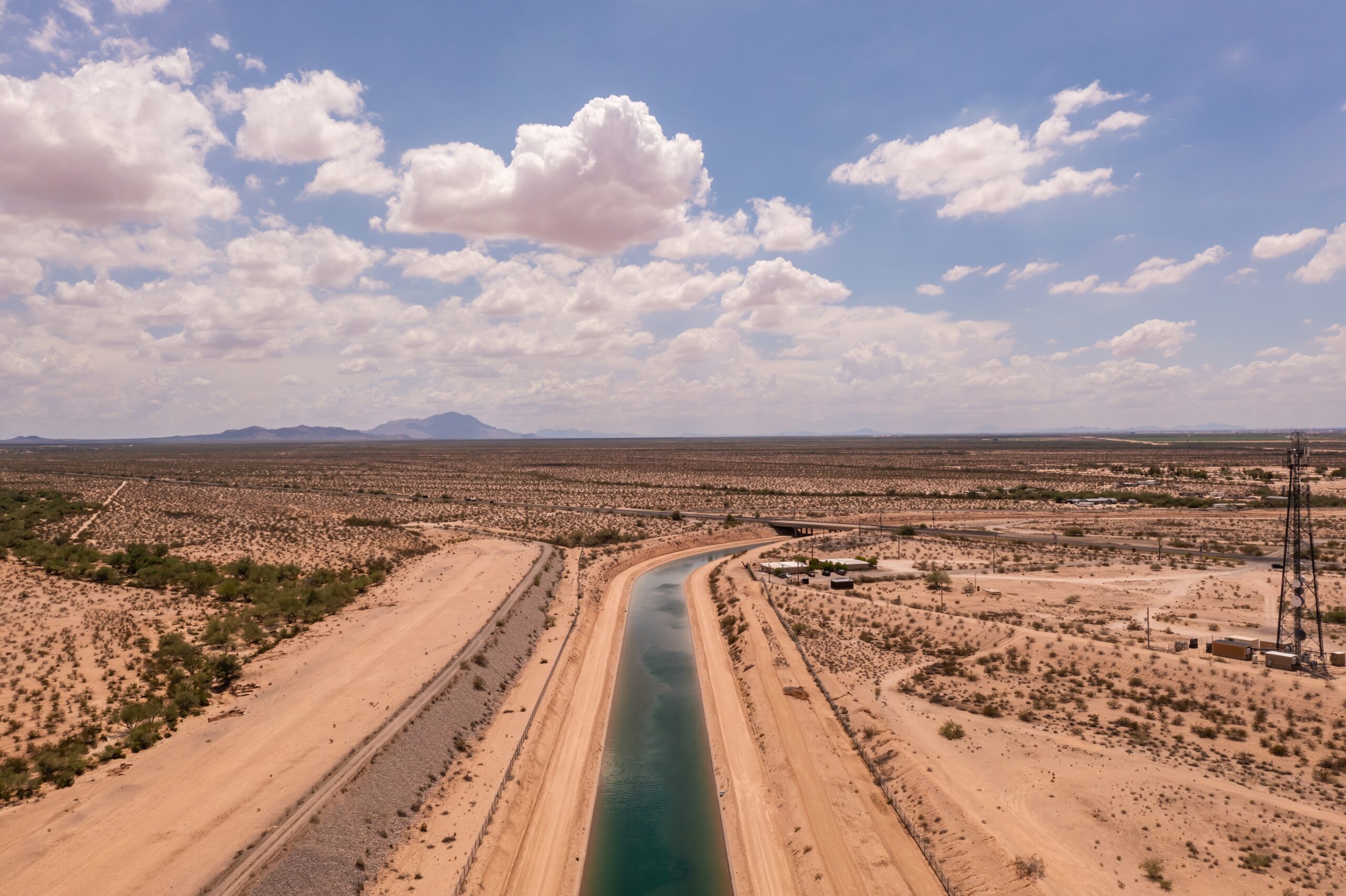
WRDA 2026 also institutes the Office of Inland Navigation Construction Management with a focus on rehabilitation, construction, and expansion of inland waterway systems. Inland waterways include natural and manmade water channels used for transportation, agricultural irrigation and drainage, economic distribution of goods, and natural resource management, like rivers and canals. The bill lays out the office’s responsibilities as developing an inland waterway program management plan and overseeing inland waterway construction and rehabilitation. The funding for those projects would flow from the Inland Waterways Trust Fund. By passing management of the fund to a specialized USACE office, inland waterway operations become centralized, emphasizing the economic importance of the country’s 36,000 miles of inland waterways.
Third, the bill seeks to create the Office on Technical Assistance and Community Outreach. The office is meant to coordinate implementation of outreach and education per provisions from the 2022 WRDA, as well as support sub-federal governments in applying for and effectively utilizing USACE technical and funding programs. Moreover, the 2026 details specifically that the office should, “to the maximum extent practicable,” prioritize its services for small and rural water systems, as well as historically disadvantaged communities and Tribal Nations, equitably distributing support to those communities that most need it.
Beyond the institutionalization of more specialized USACE offices, WRDA 2026 authorizes ongoing flood risk management activities, with a ramp-up in studies related to flood management and projects built around nature-based solutions. Most interestingly, it specifically examines nature-based and “nonstructural” solutions, in contrast with USACE’s history of large capital engineering projects. Previous WRDAs have also directed USACE to pursue natural engineering projects, and the House’s 2026 iteration builds on this thread. In authorizing multiple nature-based engineering projects as well as research and development around nature-based solutions, the agency continues its pivot.
Additional authorizations in WRDA 2026 include environmental dredging and dredging coordination, management of the Harbor Maintenance Trust Fund, and a variety of ecosystem restoration and resilience projects. Those restoration and resilience projects are focused on shoreline and riverine restoration, fish and oyster habitats, algal bloom prevention, and specific activities in the Great Lakes and Puget Sound.
In the coming weeks, the Senate will release its version of WRDA 2026. Again, it is important to underscore that the House’s WRDA does not, and the Senate’s version will not, disclose dollar amounts projected to fund these projects and studies; that comes later in the legislative process during budget appropriation, which the Water Program Portal will track by keeping an eye out for the FY2027 Energy and Water Development Appropriations Act.