
On March 24, the Reservoir Center for Water Solutions in the District of Columbia hosted a series of panels and policy discussions to celebrate World Water Day. Throughout the day, the water community heard about the policy landscape, federal shifts, and new developments in water technology and programs. Speakers included current and past federal regulators from the Environmental Protection Agency’s Office of Water and the National Oceanic and Atmospheric Administration; federal and state policymakers from the Senate, District of Columbia, Maryland, New York, and Vermont; researchers; advocates; and water technology innovators.
Altogether, the day painted a picture of an American water sector under mounting stress from aging infrastructure, climate-driven disasters, rising regulatory demands, and rapid new sources of demand, notably from AI and advanced manufacturing. While recent federal investments — namely from the Infrastructure Investment and Jobs Act and the Inflation Reduction Act — mark a turning point in funding, speakers largely agreed they represent short-term band aids on a stressed water system, not long-term solutions. The dominant takeaway from the day was that the binding constraint on progress is governance and implementation capacity, not novel technologies, visions, or workforce.
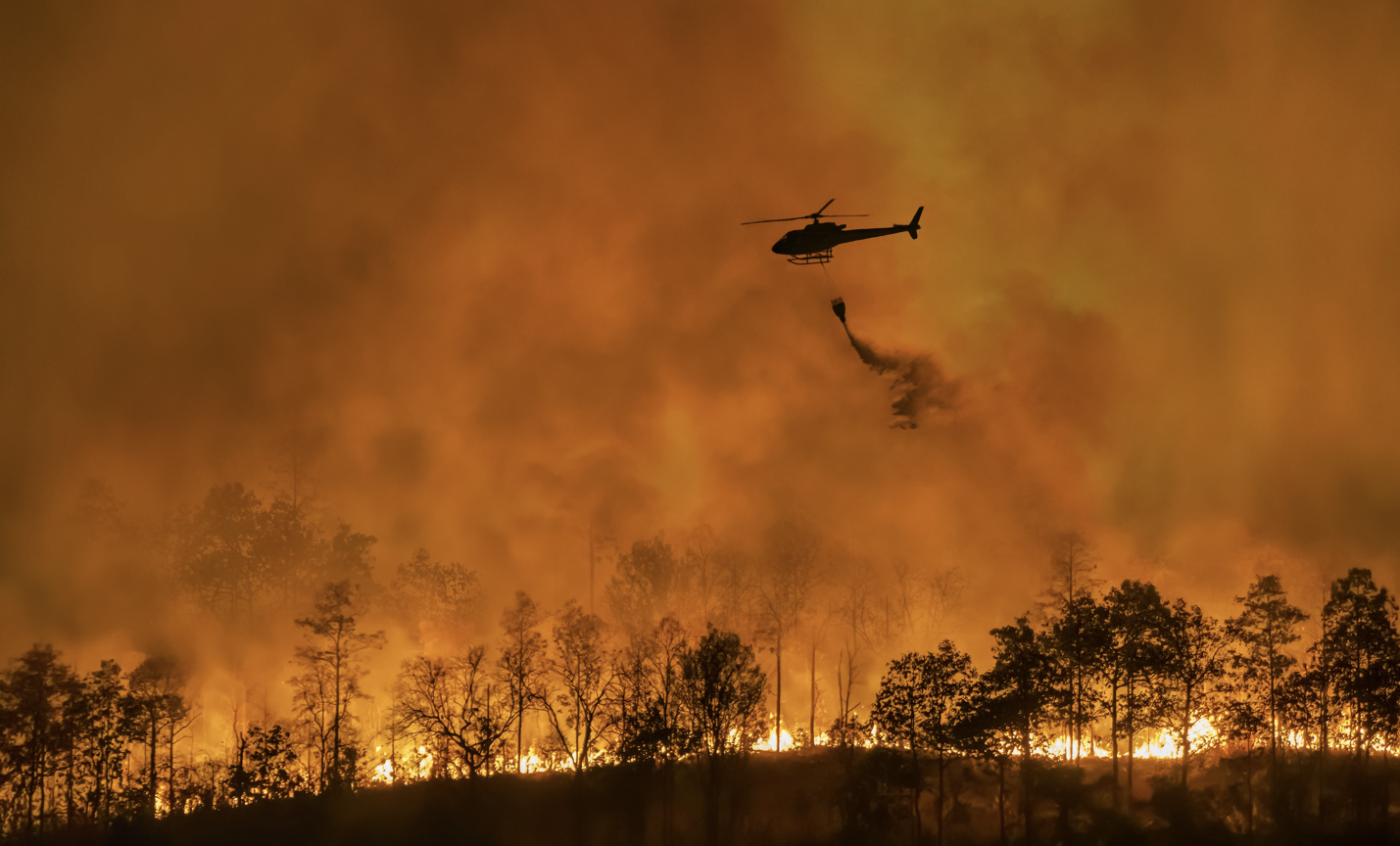
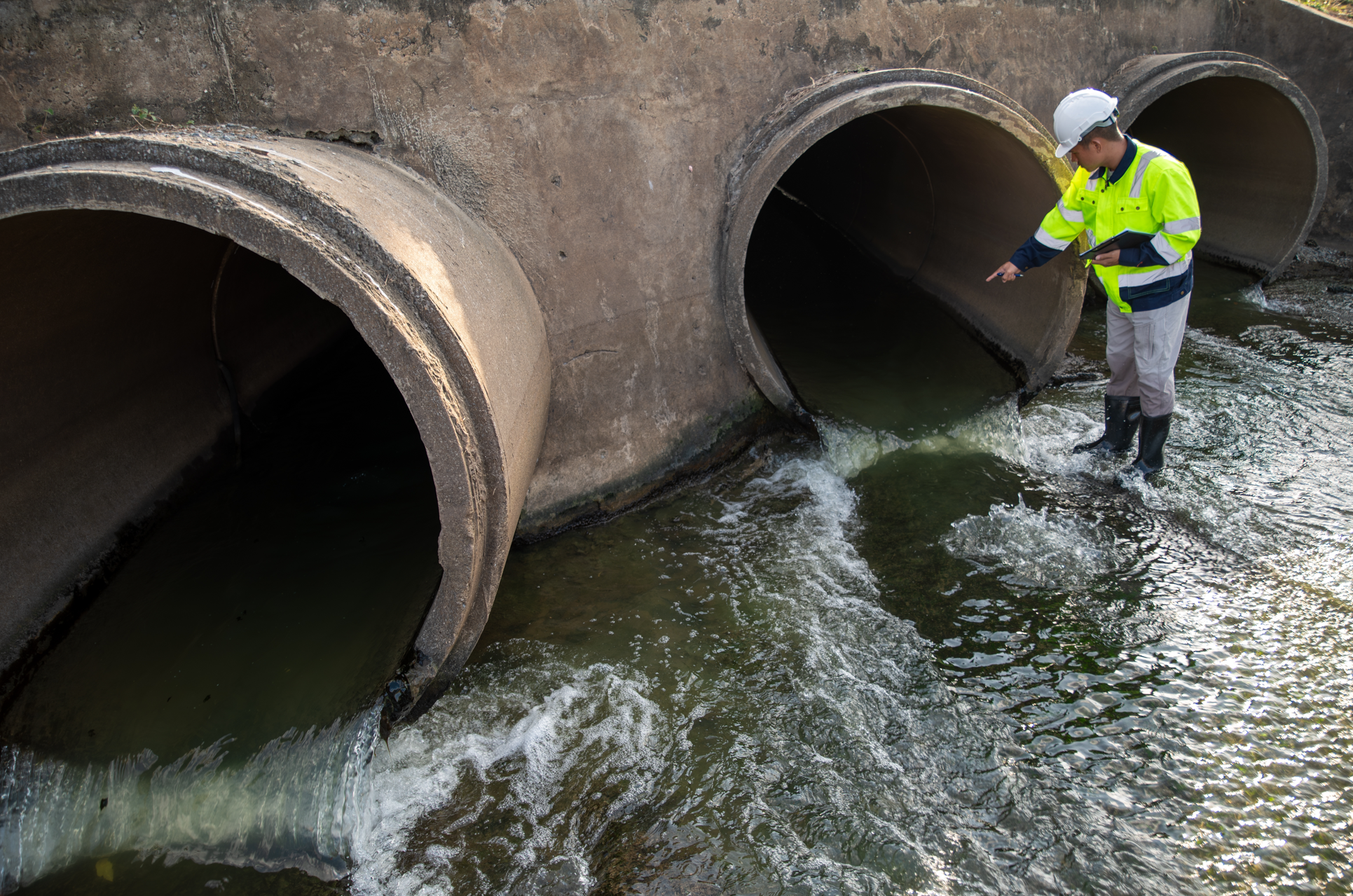
Speakers across the board agreed that America’s drinking water and wastewater systems are aging faster than they are being repaired, a situation exacerbated by climate-driven disasters. Stronger storms and hurricanes can overwhelm wastewater and stormwater systems; drought limits water supply while concentrating environmental pollutants; extreme heat corrodes water transmission systems even faster; and disasters harming existing infrastructure delay system-wide improvements. Simultaneously, new regulatory requirements surrounding emerging contaminants like PFAS and the lead and copper rule improvements compound upon required costs that utilities largely do not have the funding to address. While the technologies are available, financing hurdles stand in the way of deployment, especially for rural, risk-averse, or otherwise under-resourced utilities.
However, neither funding nor technology was the critical constraint on water systems highlighted; instead, the water governance framework was pointed to. More specifically, domestic water management authority is split across multiple federal agencies, each state and territory, and thousands of utilities big and small. As a result, advocates and researchers have called for greater coordination via interstate basin commissions with real regulatory power. State leaders also underscored that they require greater flexibility to manage their own resources with consistent federal support, for instance, in the form of reliable State Revolving Loan Fund dollars.
This coordination is even more important in the face of rising water risk and security issues. Nature-based solutions were discussed with hesitant skepticism, largely surrounding their scalability in the face of lacking engineering standards and widespread deployment pathways. Other strategies — including land use reform, managed retreat, and basin planning — arose as eventually unavoidable but mostly politically unpopular ways to manage water risks. These strategies are in tension with the water needs of the modern day, where water is viewed as an environmental resource central to the economy, the widespread buildout of data centers and increased advanced manufacturing being an immediate prime example. Siting decisions favor water-secure locales for the thirsty cooling of data centers and necessary volumes for chip fabrication, molding new regional economic development dynamics. The best way to site more efficiently and decide which strategies to implement? More data, and more accurate data, from federal agencies that must speed the pace of their modernization and enact consistent data standards across geographies and agencies.
Central equity issues created by the management of these strategies were also a topic of discussion. Smaller water systems and those in rural areas have more limited administrative and technical capacities to implement solutions and to deploy technologies to fit new regulations; they also have uneven access to federal funds to pay for these efforts. Additionally, low-income and rural communities need to be brought more centrally into climate adaptation and floodplain management conversations to inform policymakers and implementers, as they are and will be most impacted by changes.