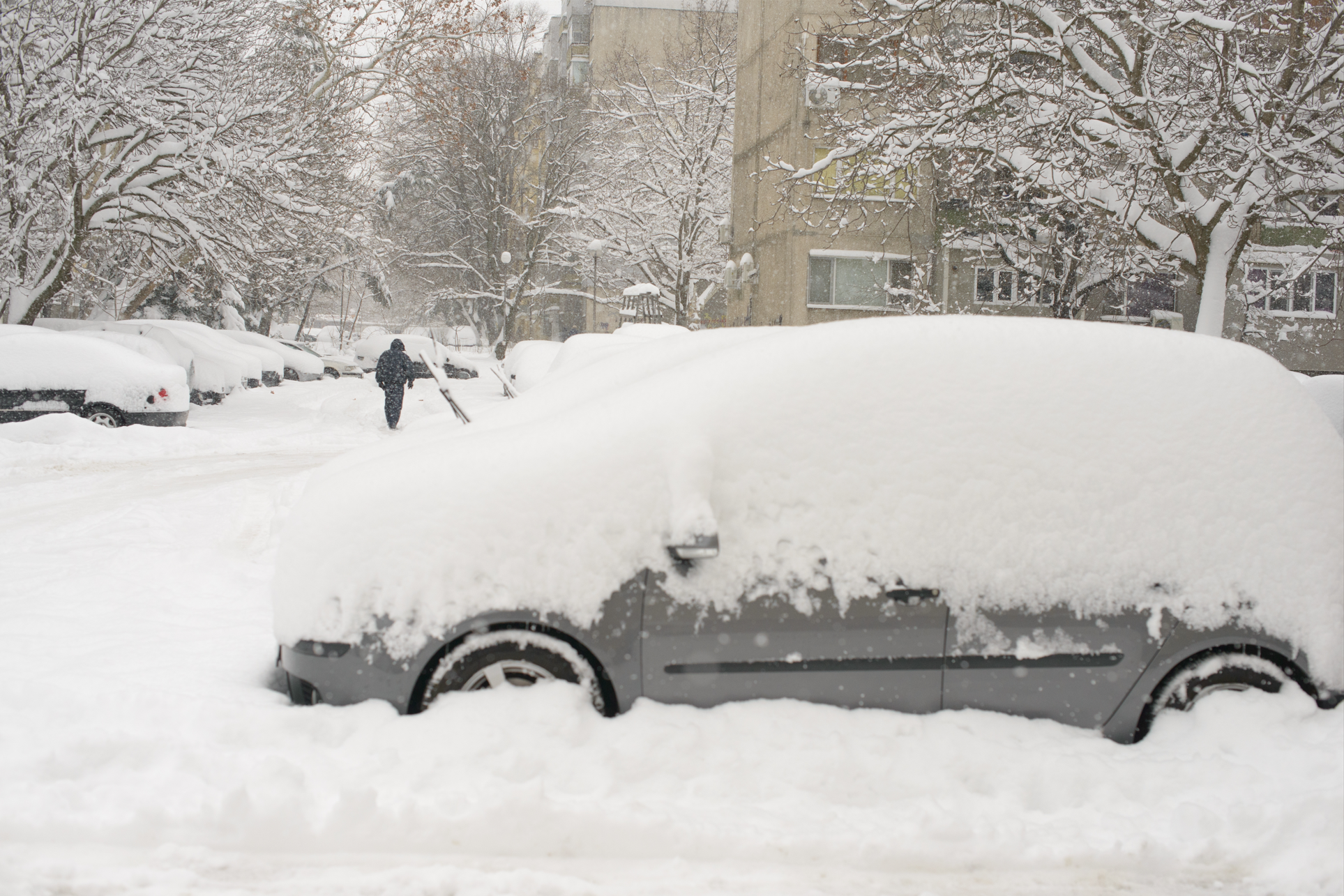
Winter Storm Fern left a large and lingering impact on millions of Americans last and this week. States of emergency were declared in 20 states ahead of the storm, as were many winter weather alerts by the National Weather Service, altogether impacting almost 250 million people. In the wake of the snow and sleet, about 150 casualties were reported, as were thousands of flight cancelations and hundreds of thousands of power outages.
As citizens were instructed to cancel travel plans and stay indoors, National Guardsmen in 12 states were tapped for response activities. Further, Federal Emergency Management Agency (FEMA) staff prep-positioned 400,000 liters of water, 250,000 meals, and 30 generators in Louisiana. Drivers positioned in Georgia, Louisiana, Texas, and Pennsylvania to distribute aid, with 28 urban search and rescue teams also placed on standby. Finally, President Trump issued 12 emergency declarations to states in Fern’s path, which authorize direct federal assistance, including emergency power restoration, sheltering, aid provision, and search and rescue support.
FEMA played a strong role in planning for and responding to the storm, with FEMA staff very much looped into planning, which staff contrasted with their involvement in responding to the flooding in Texas last summer. In fact, staff compared FEMA’s preparation for winter storm Fern as closer to what would be expected for a Category 3 or higher hurricane.
This response was conducted despite the uncertainty surrounding the agency’s current and future operations. $17 billion in disaster assistance funding remains halted in FEMA, with states unclear as to whether or when the funding will be released. Although President Trump’s emergency declarations in 12 states were executed quickly, allowing for the disbursement of federal funding aid, that cash must still be signed off on by Noem. Uncertainty stemming from FEMA is also present for FEMA’s own staff — the agency has been holding to a pattern of terminating staff contracts as they end, although these terminations have been paused as of January 22nd.
Altogether, FEMA’s response to Winter Storm Fern has not been widely critiqued. More worry has been directed at the agency’s ability to effectively act, given its appropriations for fiscal year 2026 have not yet been finalized — the Department of Homeland Security (DHS) is only funded through February 13th — and its uncertain position in the Trump Administration. FEMA has assured the public that it has sufficient funds to carry out recovery efforts relating to Fern to the tune of $7 to $8 billion in its Disaster Relief Fund. The administration was meant to release a report regarding FEMA’s future in December 2025, but after a round of edits by Noem, the release is now set for March. Staff’s contracts are uncertain (and almost half of FEMA’s workforce have contracts expiring this year), expenditures over $100,000 still require Noem’s signature, and DHS has not released any public comments about FEMA’s long-term place.
All of these problems also stand while Noem’s efficacy as DHS Secretary is being challenged — Disaster Survivors United to Rebuild recently awarded Noem an ‘F’ on her leadership of FEMA and called for the agency to be “restored as an independent, cabinet-level agency.”