The government shutdown is in its third week. Ten failed votes have wracked the Senate as both sides of the aisle reinforced their initial positions and maintained a standstill. Our last digest reviews the potential cuts to water infrastructure funding in both versions of the appropriations acts, which are on hold while the continuing resolution is embroiled.
The bulk of activity across the federal government has been paused and most federal employees are either furloughed or are continuing to work without pay, known as excepted employees, as their duties are deemed essential. Employees that are exempt from the shutdown include those whose paychecks do not come from annual appropriations. Even more, the Office of Management and Budget (OMB) said last Friday that it would begin its threatened mass firings of federal employees. The reduction in force will be “substantial,” with confirmed firings last Friday at the Department of Commerce and the Department of Energy. More firings are likely at both departments, in addition to the Environmental Protection Agency (EPA), Treasury, and others. Cuts at EPA have been confirmed in at least one division. However, on Wednesday, a federal judge blocked the Trump administration from firing federal workers during the shutdown.
Several agencies that manage water-related activities will very much be limited with respect to capacity. The specific difficulties vary from agency to agency.
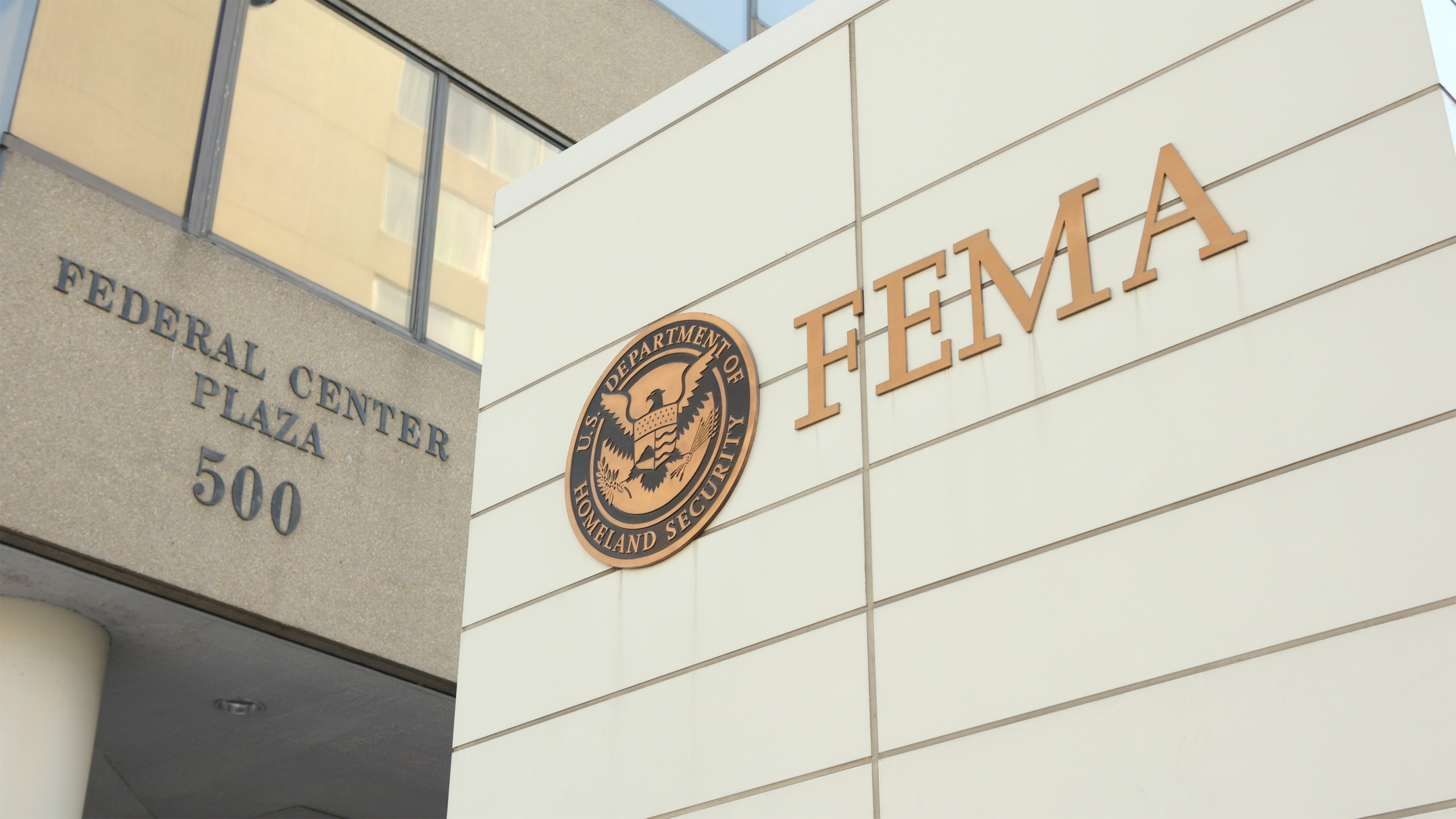
For instance, about half of the Federal Emergency Management Agency’s (FEMA) employees will continue to work as they are excepted employees; the other half are furloughed. Major disasters that have already been federally declared will maintain their staffing and aid will not cease. However, programs funded by discretionary appropriations will be paused, including those aimed at natural disaster mitigation and preparedness. More dangerously, if a major disaster were to occur during the shutdown, FEMA would be required to reinstate furloughed workers. The process of reinstatement, however, is not instantaneous. As a result, emergency responses would be delayed, an unfortunate circumstance given that the United States is in the midst of Atlantic hurricane season and the increasing occurrence rate of major natural disasters domestically.
When it comes to research and data collection, the majority of actions have been paused across federal agencies. The National Weather Service within the National Oceanic and Atmospheric Administration (NOAA) will continue to monitor conditions nationwide; its data collection is considered essential for public safety. Other NOAA tracking and modeling activities will cease, including all the work of the National Ocean Service. Scientific research and the review of scientific grants in other federal agencies will also be paused. The result is a delay in the American research production chain.
Environmental monitoring activities are also at a halt. Under the EPA’s jurisdiction, work on brownfields funded by Superfund stops, as does federal testing of drinking water systems and wastewater treatment facilities. This leaves potential threats to public health and safety untested and untreated for the duration of the shutdown. Over at the U.S. Department of Agriculture, most of the Farm Service Agency’s offices close, although now that the shutdown has persisted for over ten days, one farm loan employee and/or one county office employee has been brought back on an excepted status. That means that reimbursements for work already performed and disaster recovery for farmers continue, albeit at a reduced pace due to staffing.
Altogether, the government shutdown introduces more uncertainty into an already uncertain water policy landscape. Work on ongoing policy packages, including the Colorado River Agreement on the federal level and the Farm Bill, grinds to a halt, delaying the dissemination of critical funding and information for states. Backlogs will need to be made up once workers are fully brought back, and the severity of those backlogs will only increase the longer the shutdown goes on. Every federal agency has filed a contingency plan with the OMB; however, the page appears to have last been updated in 2023.