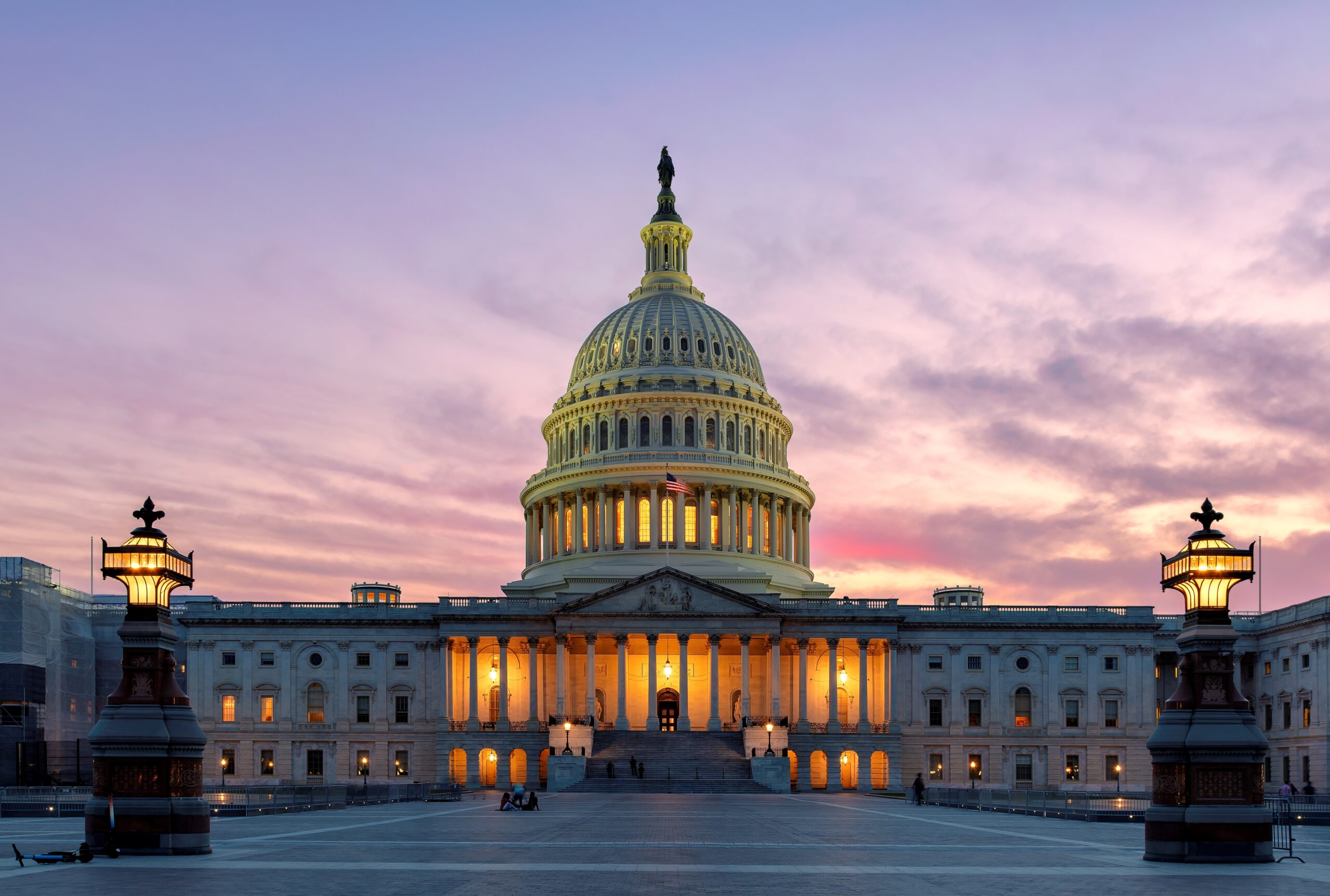
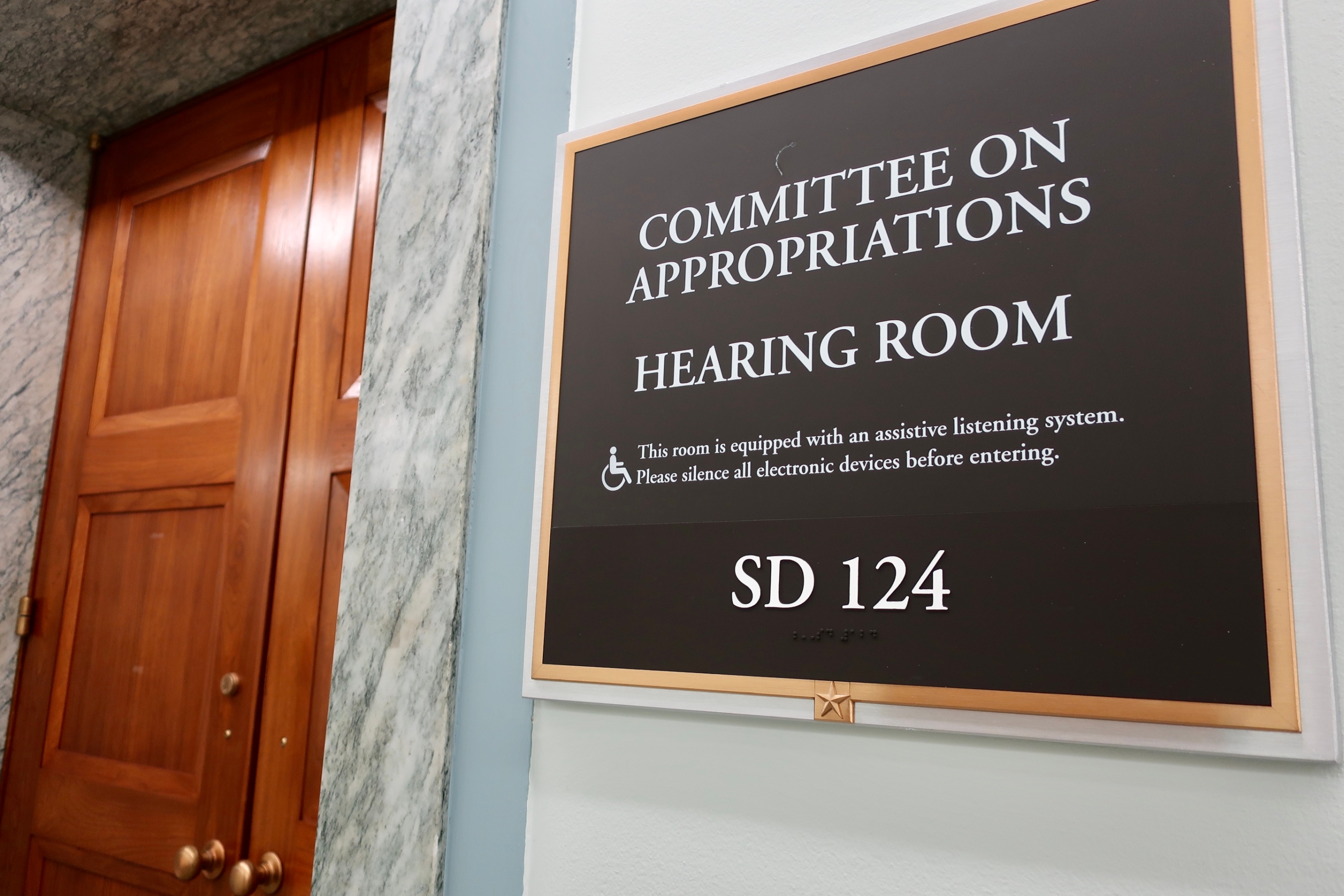
The government shut down at 12:01 am EST on October 1st as legislators on the Hill failed to bridge the chasm of priorities across the aisle. Republicans had proposed to Democrats a continuing resolution to maintain current funding levels through late November. Democrats countered with a proposal keeping the government running until the end of October, with caveats to permanently extend health care funding provisions, particularly pandemic-era Affordable Care Act subsidies and reverse Medicaid cuts presented in the One Big Beautiful Bill. Republicans rejected that proposal and initiated a vote on their original legislation, which failed in a 55-45 vote (it required 60 to pass).
Now, the government is largely in a partisan standoff. Health care funding is the main point of contention in the continuing resolution, while the actual appropriations bills for the next fiscal year are stalled. Both the House and Senate versions of the appropriations acts for 2026 contain threats to water infrastructure.
The House’s version of the Department of the Interior, Environment, and Related Agencies Appropriations Act, 2026 (HR 4754) proposes a cut of $662 million from the State Revolving Funds (SRFs). Altogether, HR 4754’s 25 percent cut of SRF funding would bring the program’s funding down to its lowest level since 2008. That funding reduction represents the biggest threat to water funding in the bill. Other funding provided in the bill includes $2 million for the Infrastructure Investment and Jobs Act (IIJA) authorized Stormwater Infrastructure Technology program, $30 million for drinking water and wastewater infrastructure for Alaska Native Villages, $58.9 million for Indian Land and Water Claim Settlements, $64.6 million for the Water Infrastructure Finance and Innovation Act’s direct and guaranteed loans, and $368 million for the Great Lakes Restoration Initiative.
The Senate’s version, S 2431, proposes cuts and transfers from IIJA’s appropriations for the Drinking Water SRF’s Lead Service Line Replacement Program to the tune of $250 million. That sum includes $976,000 for Indian Land and Water Claim Settlements, the same $2 million for the Infrastructure Investment and Jobs Act (IIJA) authorized Stormwater Infrastructure Technology program, $40 million for drinking water and wastewater infrastructure for Alaska Native Villages, $56.9 million for the Water Infrastructure Finance and Innovation Act’s direct and guaranteed loans, and the same $368 million for the Great Lakes Restoration Initiative.
Apart from these proposed cuts to the SRFs, as mentioned in a previous digest, President Trump’s budget request lays out a 90 percent cut to the SRFs, a sum of $2.46 billion. By and large, Capitol Hill seeks to reduce water infrastructure funding somehow in some way.
Last week, the Office of Management and Budget sent a memo to federal agencies that they may consider mass layoffs amid a government shutdown. Additionally, according to an Environmental Protection Agency-released plan that was updated on Tuesday, the agency intends to slash staffing by up to 90 percent during the shutdown. The plan also will not pursue work funded by IIJA.
Altogether, hundreds of jobs and millions of dollars are in uncertain waters. Projects across the nation are at threat, including but not limited to $54 million for a Missourian water utility and another $54 million for clean drinking water and water treatment in Texas. Communities need all the funding they can get to maintain and upgrade their distribution, transmission, and treatment facilities so that they can trust the water coming out of their taps.